
Retiring in Thailand: Practical Considerations Before Making the Move
- Jun 25
- 6 min read
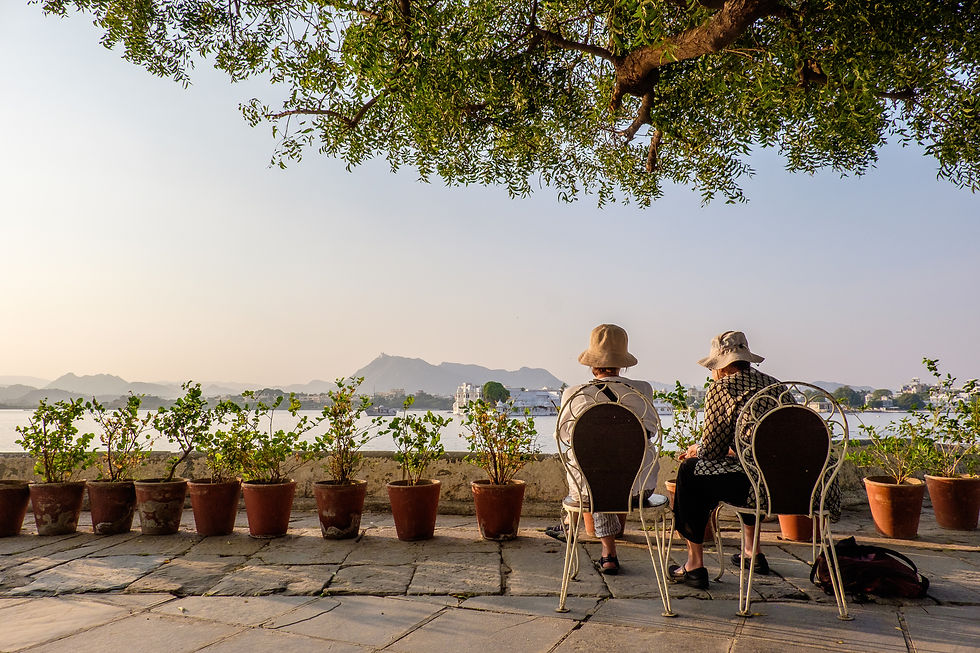
Thailand has become one of the world’s most attractive retirement destinations for people seeking a warmer climate, high-quality private healthcare, lower cost of living, excellent food, and a more flexible lifestyle.
For many retirees, the appeal is easy to understand. Thailand offers modern cities, quiet coastal communities, mountain regions, international hospitals, strong hospitality, and daily living costs that can be meaningfully lower than many major U.S. cities.
But retiring in Thailand is not just a lifestyle decision. It is a major life transition.
A successful move requires more than choosing a city or finding a condo online. Retirees and families should think carefully about healthcare access, visa planning, housing, transportation, banking, communication, emergency support, and the practical realities of managing life locally.
This is where thoughtful planning and trusted local coordination can make the transition much smoother.
Why Retirees Consider Thailand
Thailand appeals to retirees for several reasons. The country offers a mix of affordability, comfort, private healthcare access, international communities, and lifestyle variety.
Some retirees are drawn to Bangkok for its hospitals, restaurants, transportation, and international amenities. Others prefer Chiang Mai for its slower pace, lower costs, mountain setting, and established expat community. Hua Hin attracts retirees who want a quieter coastal lifestyle within reach of Bangkok. Phuket and other island areas may appeal to retirees who want a more resort-style environment, though costs and transportation should be reviewed carefully.
For retirees comparing options, Thailand may offer:
High-quality private hospitals in major cities
Lower daily living costs than many U.S. markets
Warm weather and a relaxed pace of life
Strong food, hospitality, and service culture
Access to domestic travel and regional travel across Southeast Asia
Established expat and retiree communities
Tailored Support Available
The key is understanding which version of Thailand fits your life. Retirement in Bangkok looks very different from retirement in Chiang Mai, Hua Hin, Phuket, or a smaller provincial city.
Healthcare Should Be a First-Order Decision
Healthcare is one of the most important factors for anyone considering retirement in Thailand. Thailand has a broad public healthcare system for Thai citizens and a large private hospital sector used by many expatriates, retirees, and international patients.
Foreign retirees typically rely on private hospitals, private health insurance, international insurance, or self-pay arrangements. That means healthcare planning should happen before the move, not after.
In Bangkok, hospitals such as Bumrungrad International Hospital, Bangkok Hospital, and Samitivej Sukhumvit Hospital are commonly known among expatriates and international patients. These hospitals are often considered because of their specialist access, international departments, English-language support, and experience serving foreign patients.
Outside Bangkok, retirees may evaluate hospitals such as Bangkok Hospital Chiang Mai, Chiang Mai Ram Hospital, Bangkok Hospital Hua Hin, Bangkok Hospital Phuket, or other regional private hospitals depending on where they plan to live.
The right hospital is not always the most famous hospital. It depends on the retiree’s health history, location, insurance, budget, language comfort, and emergency needs.
Before choosing a retirement location, retirees should ask:
Which hospitals are closest to the neighborhood?
Are relevant specialists available nearby?
Is emergency transportation realistic?
Are English-speaking doctors or interpreters available?
Will private insurance be accepted?
What should be self-paid?
How will medical records and family updates be handled?
Who can help coordinate appointments locally?
This is one of the biggest reasons retirees and families look for Thailand retirement relocation support or a Thailand local coordinator. Healthcare access is valuable, but local coordination is what helps make that access practical.
Choosing the Right Location
Thailand is not one retirement market. It is a collection of very different lifestyles.
Bangkok may be the best fit for retirees who prioritize healthcare access, convenience, restaurants, shopping, international amenities, and transportation. It may also be easier for families who want access to major hospitals and specialists.
Chiang Mai may appeal to retirees who want a slower pace, lower cost of living, cultural depth, mountain scenery, and an established foreign-resident community.
Hua Hin may suit retirees who want a quieter coastal lifestyle, golf, beach access, and proximity to Bangkok.
Phuket may appeal to retirees seeking an international island lifestyle, though housing, transportation, healthcare access, and overall cost should be carefully evaluated.
Smaller cities and provincial areas may offer lower costs and a more local experience, but they may also require more planning around healthcare, transportation, language, and emergency support.
The best retirement location is not simply the most popular one. It is the one that fits your health, budget, lifestyle, support needs, and family situation.
Visa and Residency Planning
Retiring in Thailand also requires understanding the available visa and residency pathways. Requirements can change, and retirees should confirm current rules with qualified immigration professionals or official sources before making decisions.
Common options may include retirement visa pathways for individuals age 50 and older, long-stay options, or other residency programs depending on the retiree’s finances, age, insurance situation, and long-term plans.
Families should not treat visa planning as an afterthought. The visa path can affect banking, insurance, travel flexibility, renewal timing, documentation, and long-term peace of mind.
Important questions include:
Which visa category fits the retiree’s situation?
What financial documentation is required?
Are insurance requirements involved?
How often must the visa be renewed?
What local reporting obligations apply?
Who will help track deadlines and documentation?
Banyada does not provide legal or immigration advice, but visa timing and documentation are part of the broader relocation planning process that retirees should organize early.
Housing and Daily Life Setup
Housing in Thailand can range from modern Bangkok condominiums to serviced apartments, villas, senior living communities, and quieter homes in regional areas.
Before choosing housing, retirees should think beyond price and photos.
Important considerations include:
Distance to hospitals and clinics
Elevator access and mobility needs
Building security and maintenance quality
Transportation options
Nearby grocery stores, pharmacies, and restaurants
Noise, traffic, and air quality
Internet reliability
Ease of communication with building staff or landlords
A beautiful apartment may not be the right choice if it creates daily friction. For retirees, convenience and access often matter as much as design.
This is where Thailand life setup service support can be useful. The move is not only about finding housing. It is about creating a daily system that works.
Budgeting and Money Movement
Many retirees consider Thailand because the cost of living can be lower than in the United States. But actual spending depends heavily on location, housing style, healthcare needs, travel habits, dining preferences, and insurance.
Retirees should build a realistic monthly budget before moving. This should include:
Rent or housing costs
Utilities and internet
Groceries and dining
Transportation
Healthcare and insurance
Medication
Household help
Travel
Emergency reserves
Currency exchange and transfer fees
For U.S.-based retirees, cross-border money movement also matters. Families should plan how funds will move from the United States to Thailand, how exchange rates and fees will be managed, which accounts or cards will be used, and how emergency funds will be accessed.
Adult children may also want visibility if they are helping support a parent abroad. That does not necessarily mean controlling the parent’s finances. It may mean having a clear system for reminders, low-balance alerts, healthcare reserves, and emergency planning.
Family Communication and Local Support
One of the most overlooked parts of retiring abroad is communication. Retirees may feel confident at the beginning, but families should plan for what happens when needs change.
A strong support plan should answer:
Who is the local point of contact?
Who helps with appointments or vendor communication?
How will adult children receive updates?
What happens in an emergency?
Who helps if the retiree needs additional care later?
How are documents, receipts, and important contacts organized?
This is especially important when adult children remain in the United States. A parent may be independent today, but families often want a support layer that can grow as needs change.
Retirement abroad should not feel like a one-time move. It should be supported as an ongoing life transition.
How Banyada Thailand Desk Supports Retirees and Families
Banyada Thailand Desk was created for retirees, families, and adult children who need more than online research or a list of recommendations.
Banyada provides high-touch, localized Thailand support before, during, and after a client’s transition. Our role is to help clients organize the practical details that are difficult to manage from abroad.
Depending on the client’s needs, Banyada can support:
Thailand retirement relocation planning
Housing and neighborhood research
Healthcare and local provider coordination
Family communication and updates
Arrival and life setup support
Local vendor coordination
Tailored Support Available
Banyada is not a traditional moving company. Our model is relationship-based, not transactional. We combine Thailand-based local knowledge, U.S.-managed standards, and founder-led oversight to help clients move forward with greater clarity, confidence, and control.
For retirees and families, that means Banyada can help organize the transition, coordinate locally, and provide ongoing support beyond the move.
A Thoughtful Retirement Starts With a Clear Plan
Thailand can be a compelling place to retire, but the best outcomes come from planning carefully.
Retirees should evaluate healthcare access, visa options, housing, location, transportation, budgeting, family communication, and local support before making the move. Adult children should also think about how they will stay informed and how support needs may change over time.
With the right preparation, Thailand can offer a comfortable, flexible, and fulfilling retirement lifestyle.
Banyada Thailand Desk helps retirees and families understand their options, organize the next steps, and move forward with trusted local guidance.
If you are exploring retirement in Thailand, Banyada can help you evaluate the path forward and organize the practical details before, during, and after the move.

Comments